
 Accessibility

Medical Surgical Nursing Department
Overview
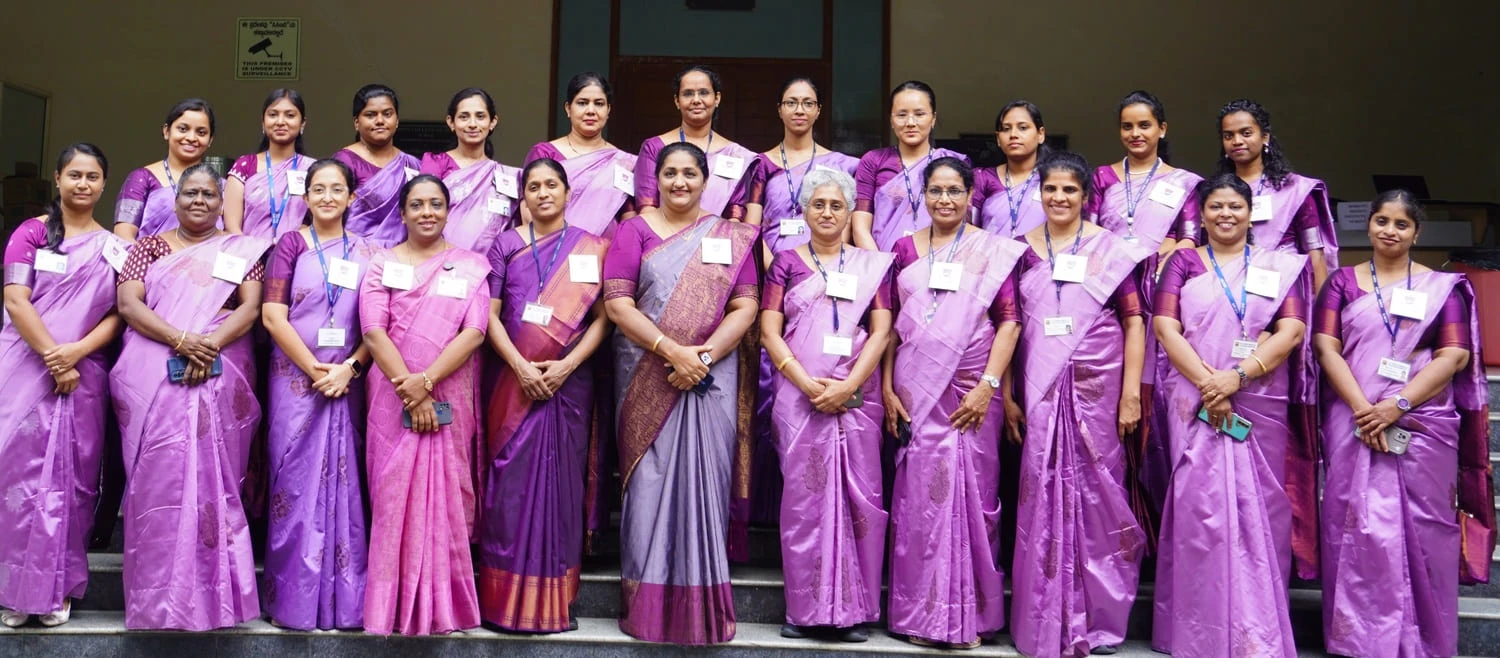
Overview of the department
Medical Surgical Nursing is a specialized field dedicated to providing professional care for adult patients across various healthcare settings. By combining technical expertise in healthcare delivery with management skills, we emphasize family-centered nursing care. At the core of this speciality is our commitment to producing well-educated, knowledgeable, and compassionate nurses who excel in caring for patients with surgical and medical conditions. Our department is devoted to advancing the nursing profession by equipping students with the theoretical knowledge and clinical expertise needed to thrive in diverse healthcare environments.
Objectives of the Department
The Department of Medical-Surgical Nursing aims to develop professional nurses who are clinically competent, ethically grounded, and responsive to patient and system needs.
Educational Objectives:
- To provide in-depth theoretical knowledge related to medical and surgical conditions
- To integrate pathophysiology, pharmacology, and nursing care in clinical practice
- To foster analytical thinking, problem-solving, and clinical reasoning skills
- To promote evidence-based nursing practice and research utilisation
- To instill ethical, legal, and professional values in adult health nursing
Clinical Objectives:
- To develop competence in comprehensive patient assessment and monitoring
- To ensure safe administration of medications and therapeutic interventions
- To enhance skills in care planning, documentation, and evaluation of outcomes
- To promote effective communication and teamwork within multidisciplinary healthcare teams
- To prepare students for independent, safe, and accountable clinical practice.
Details of the Courses
- General Nursing and Midwifery - 2nd Year
- Basic B.Sc. Nursing-3rd and 4th Semester-Adult Health Nursing
- Post Basic B.Sc. Nursing-1st Year
- M.Sc. Nursing -1st year (10 seats)
- M.Sc Nursing 2nd year (neuroscience nursing) (10 seats)
- M.Sc Nurse Practitioner in Critical Care-1st year (5 seats)
- M.Sc Nurse Practitioner in Critical Care-2nd year (5 seats)
- Doctor of Philosophy (Ph. D.) in Medical–Surgical Nursing (5 seats)
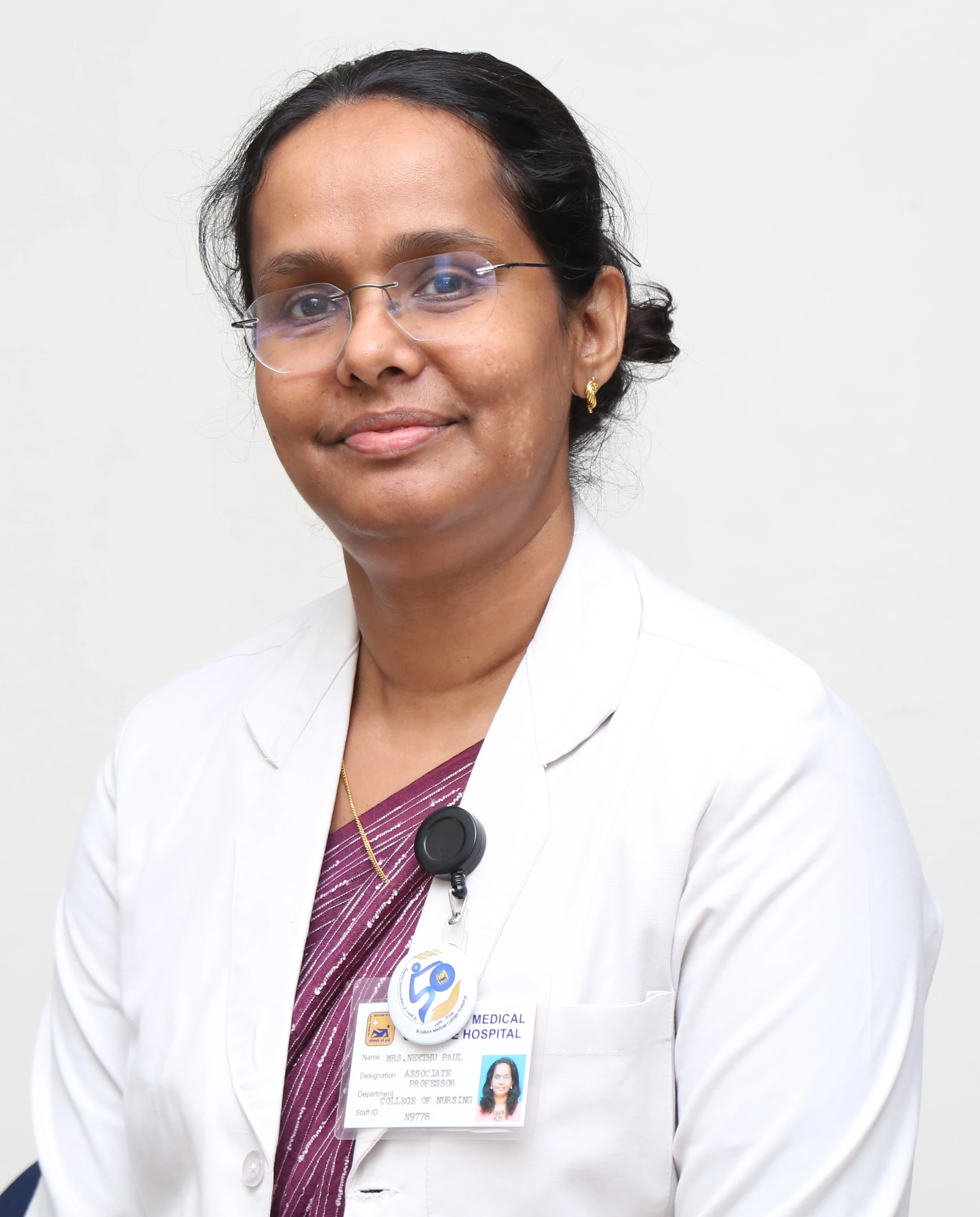
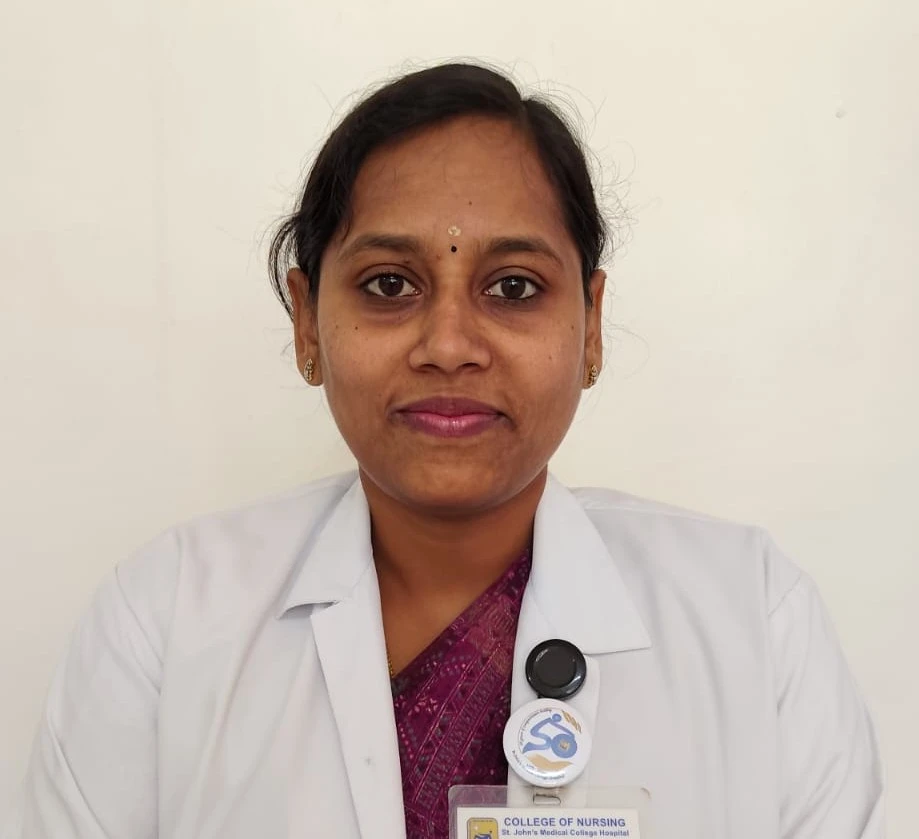
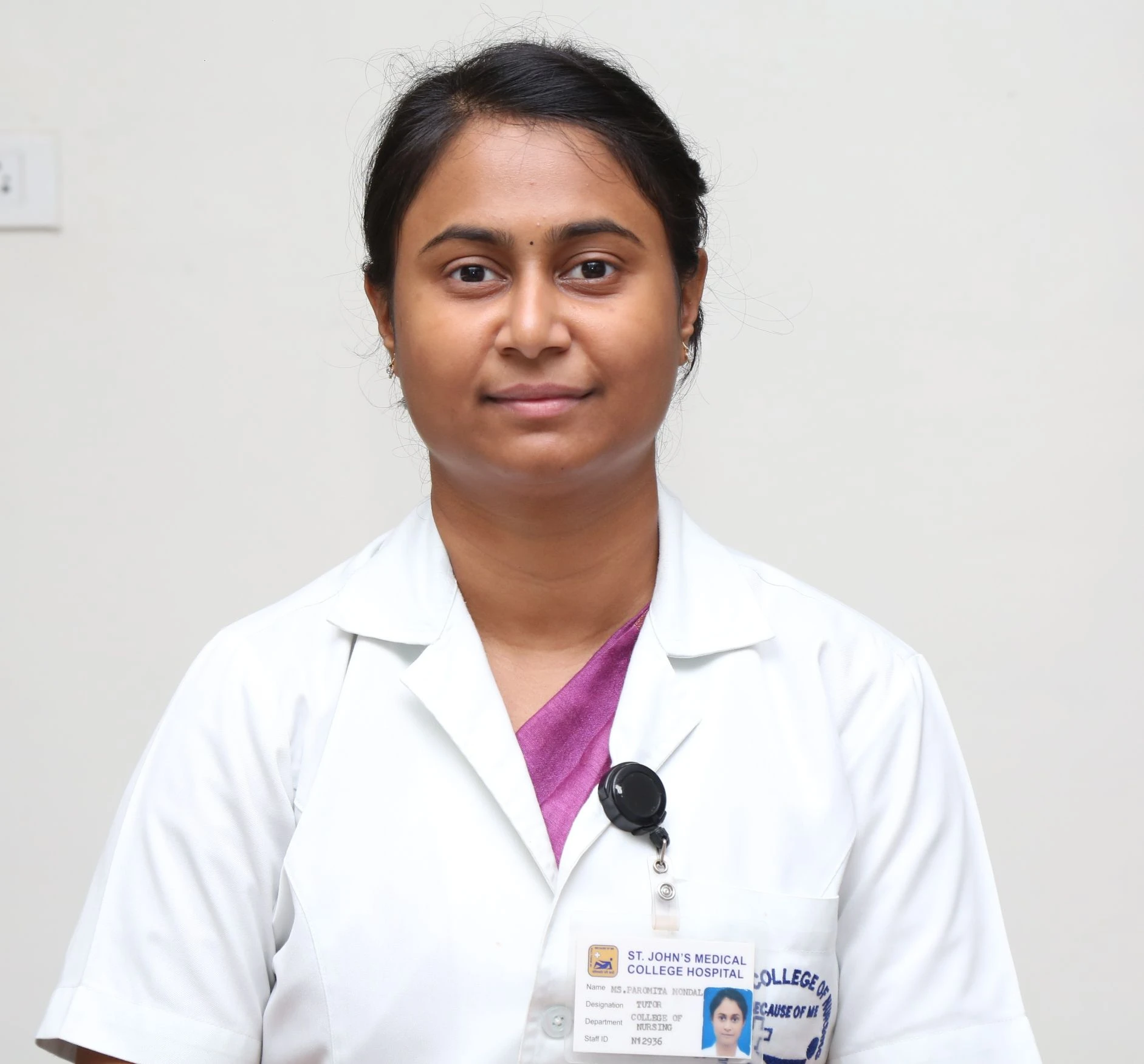
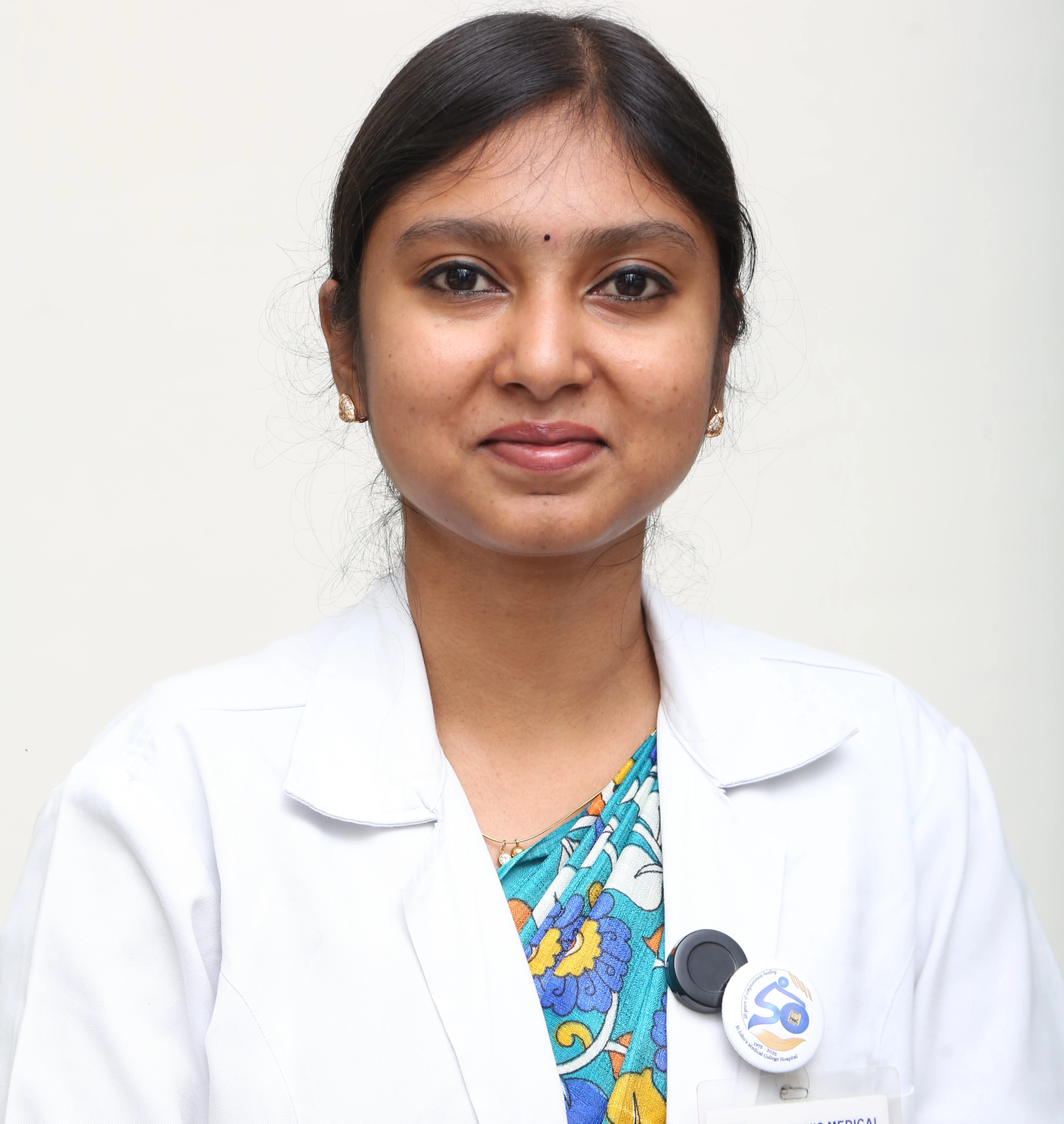
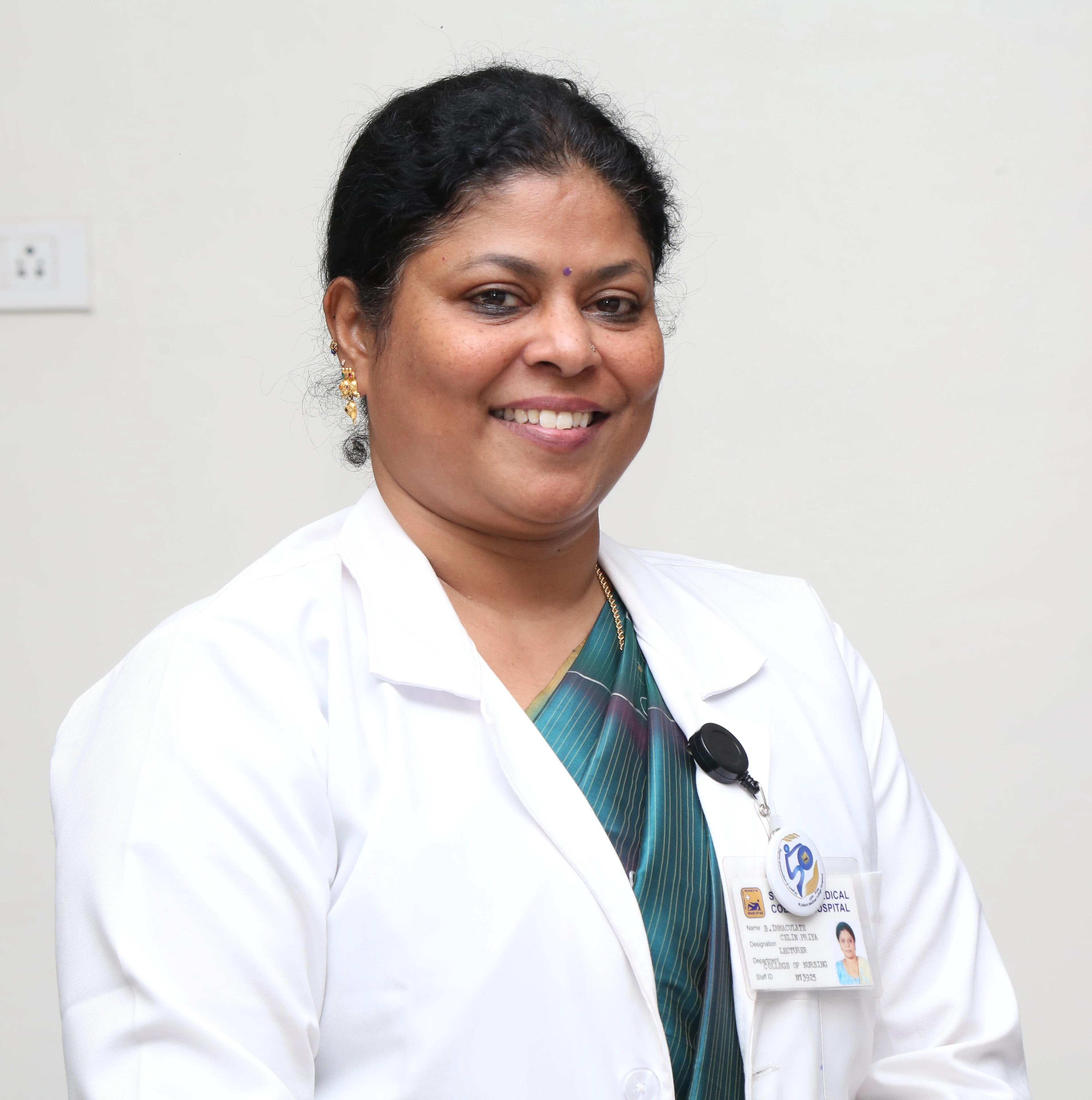
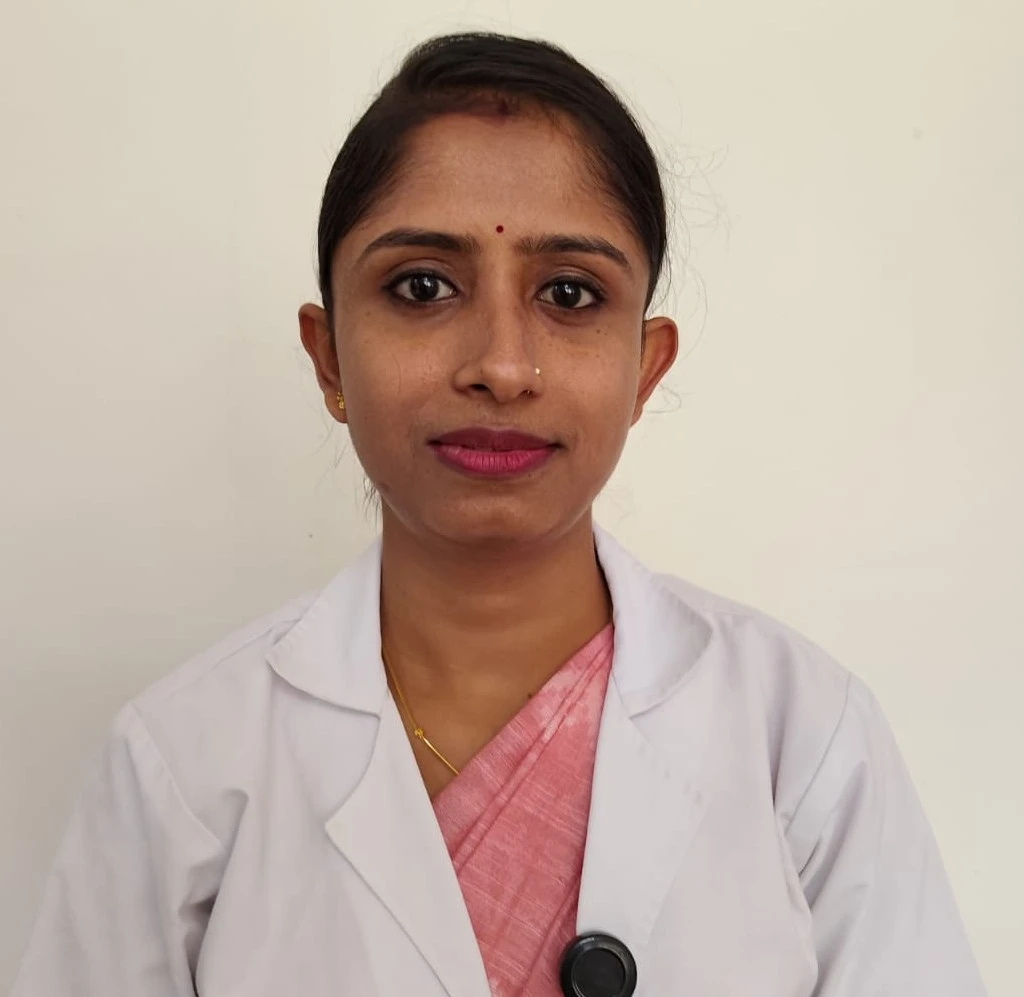
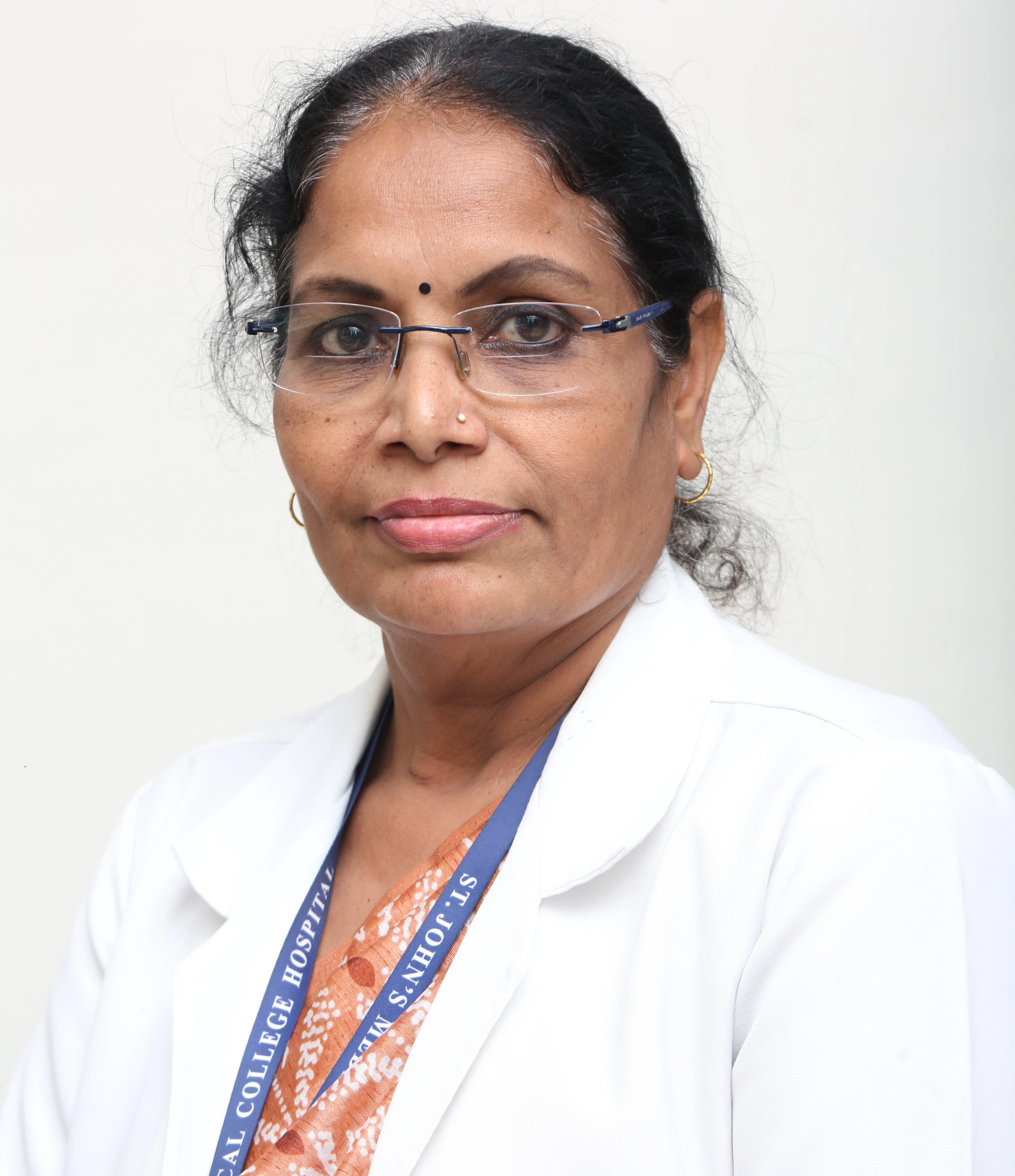
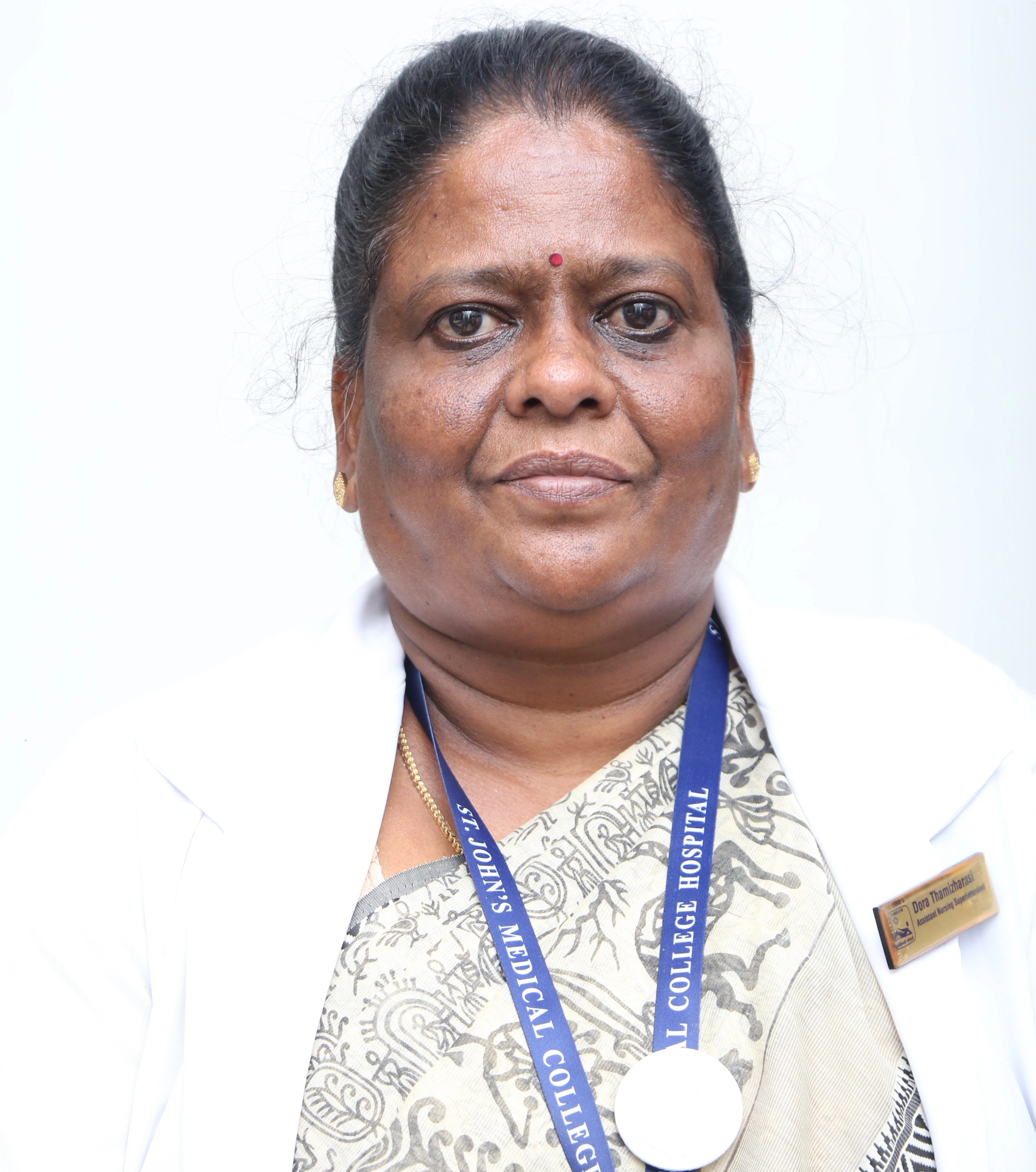
Our Team
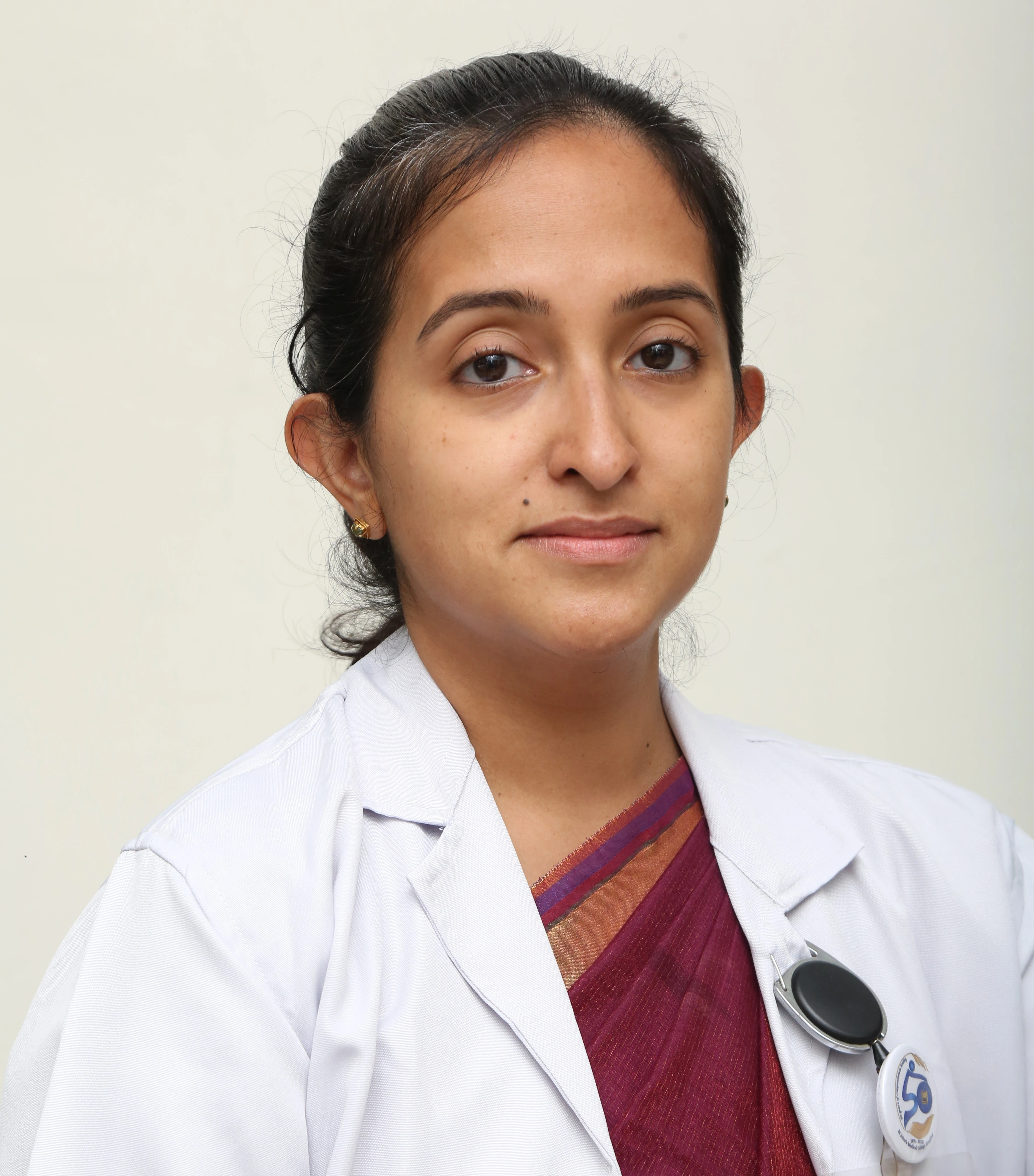
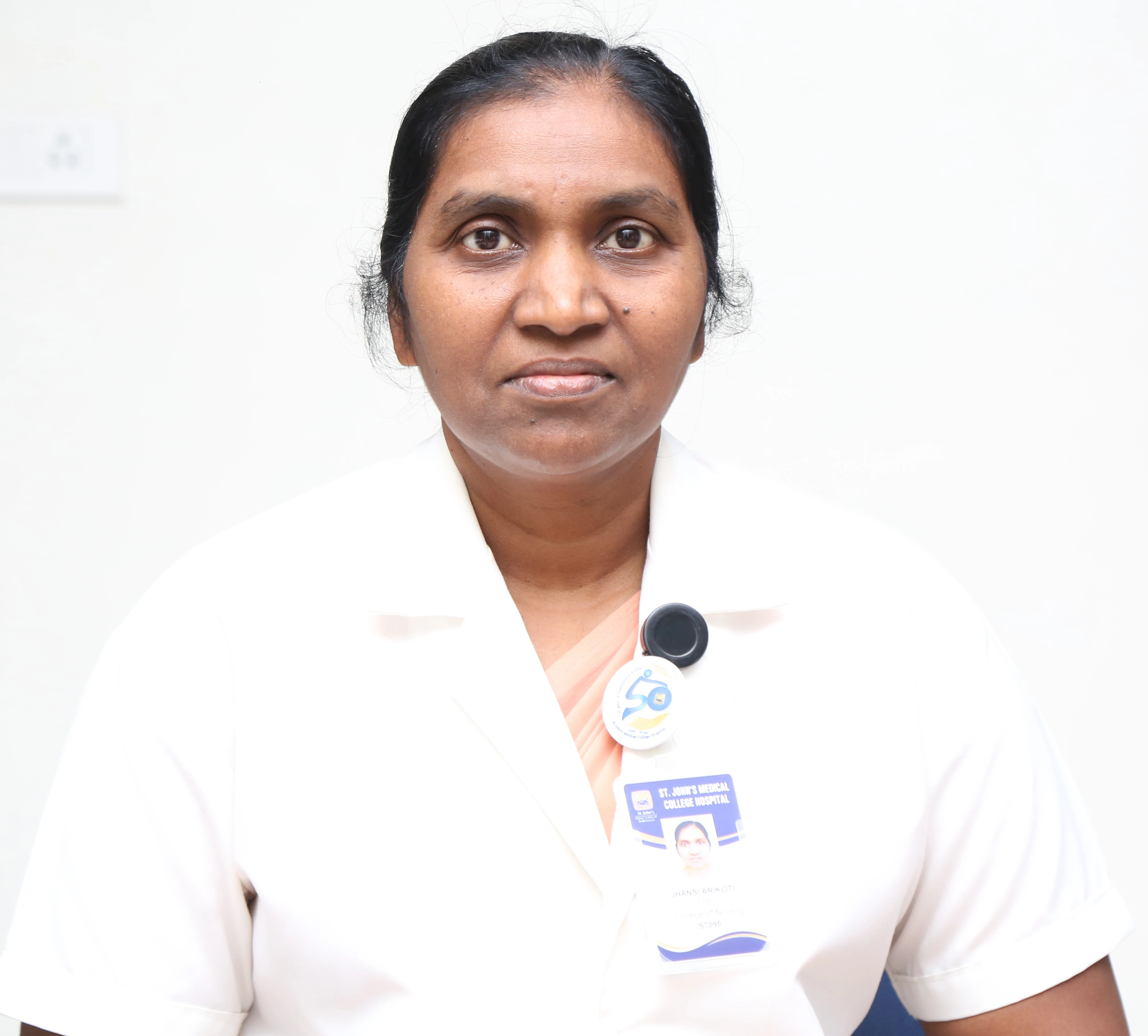
Unit Head
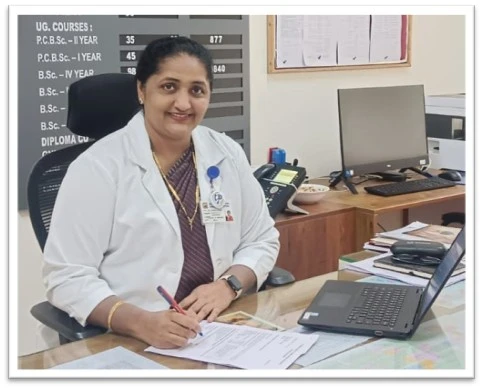
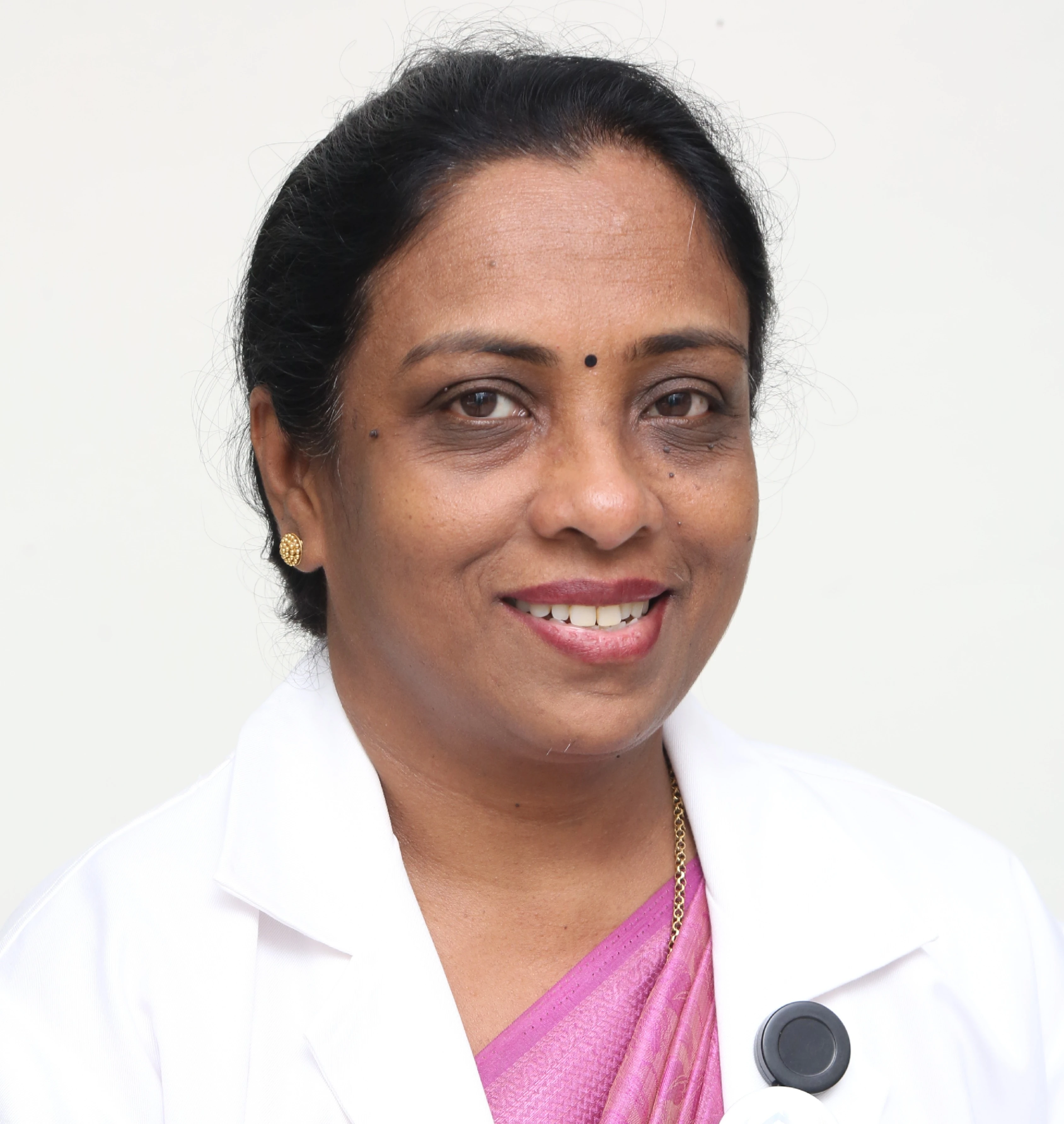
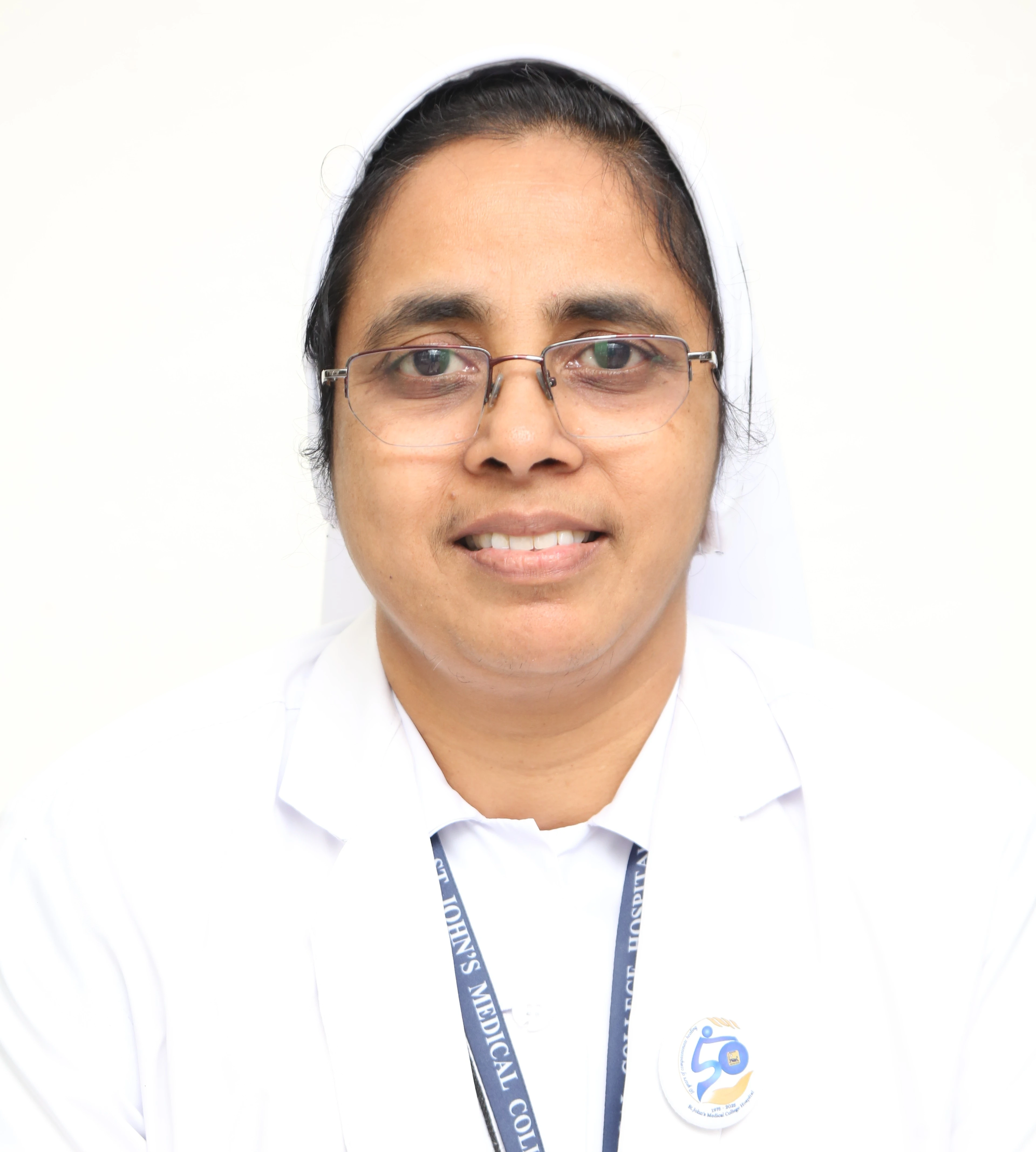
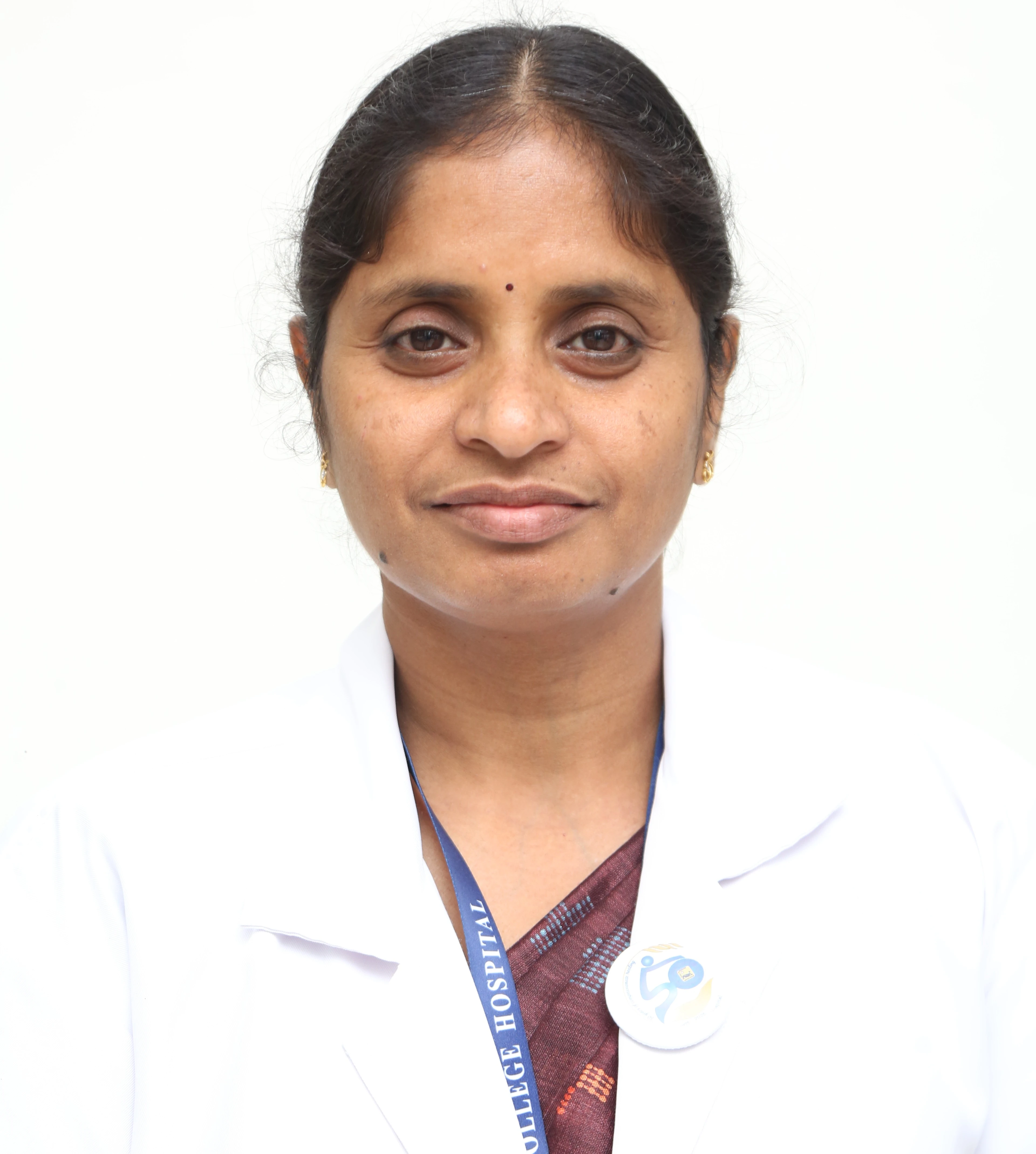
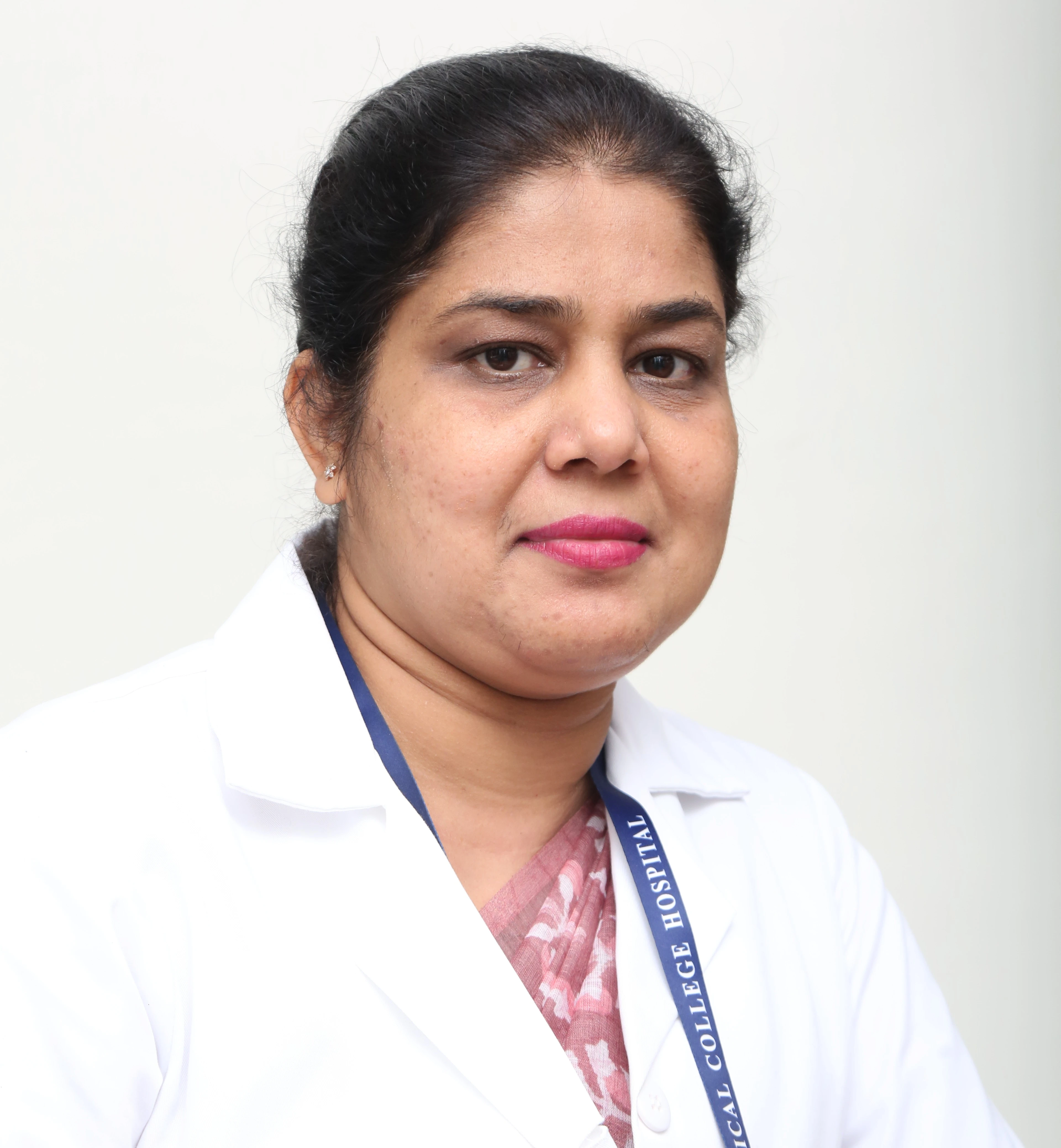
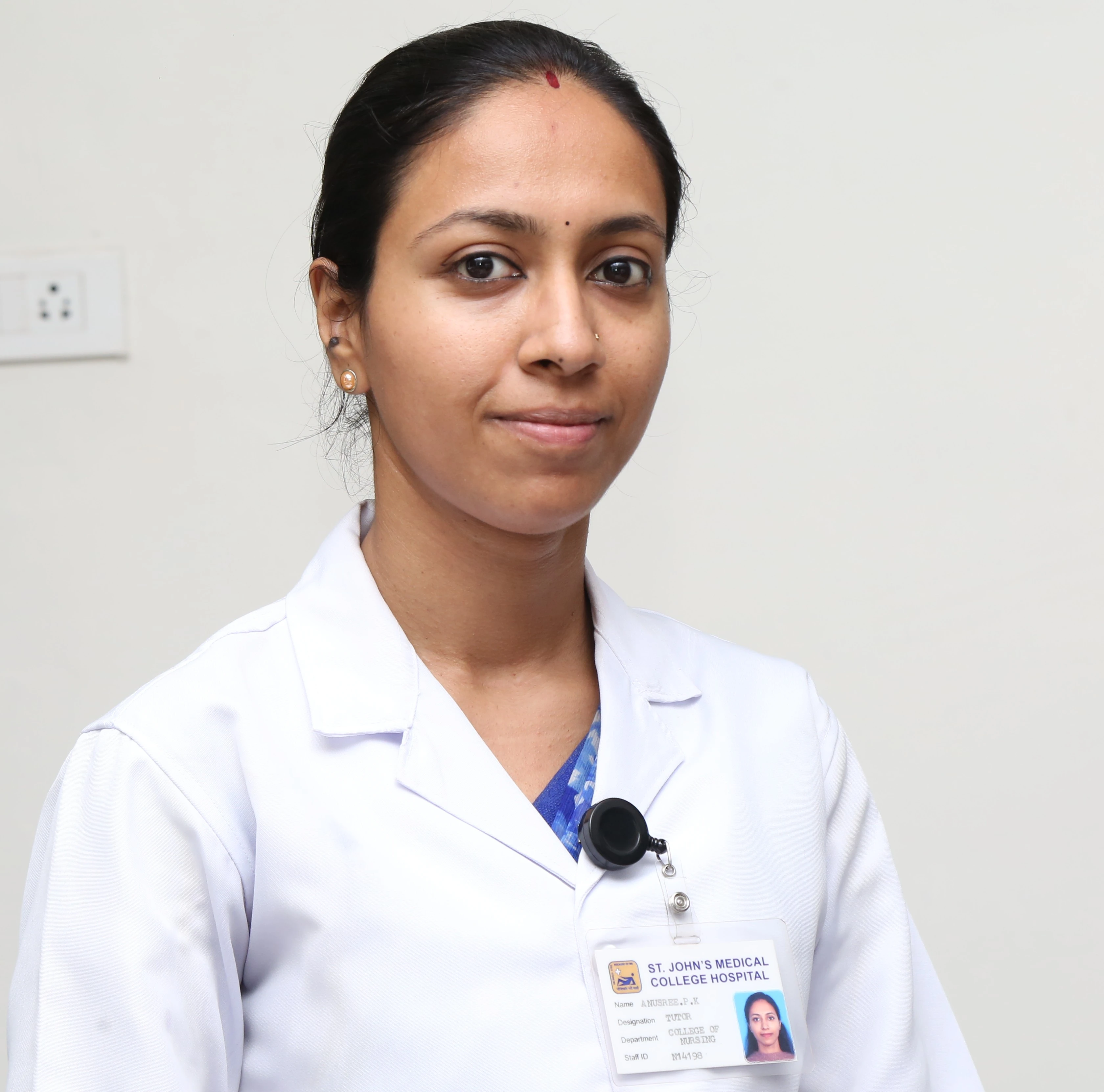
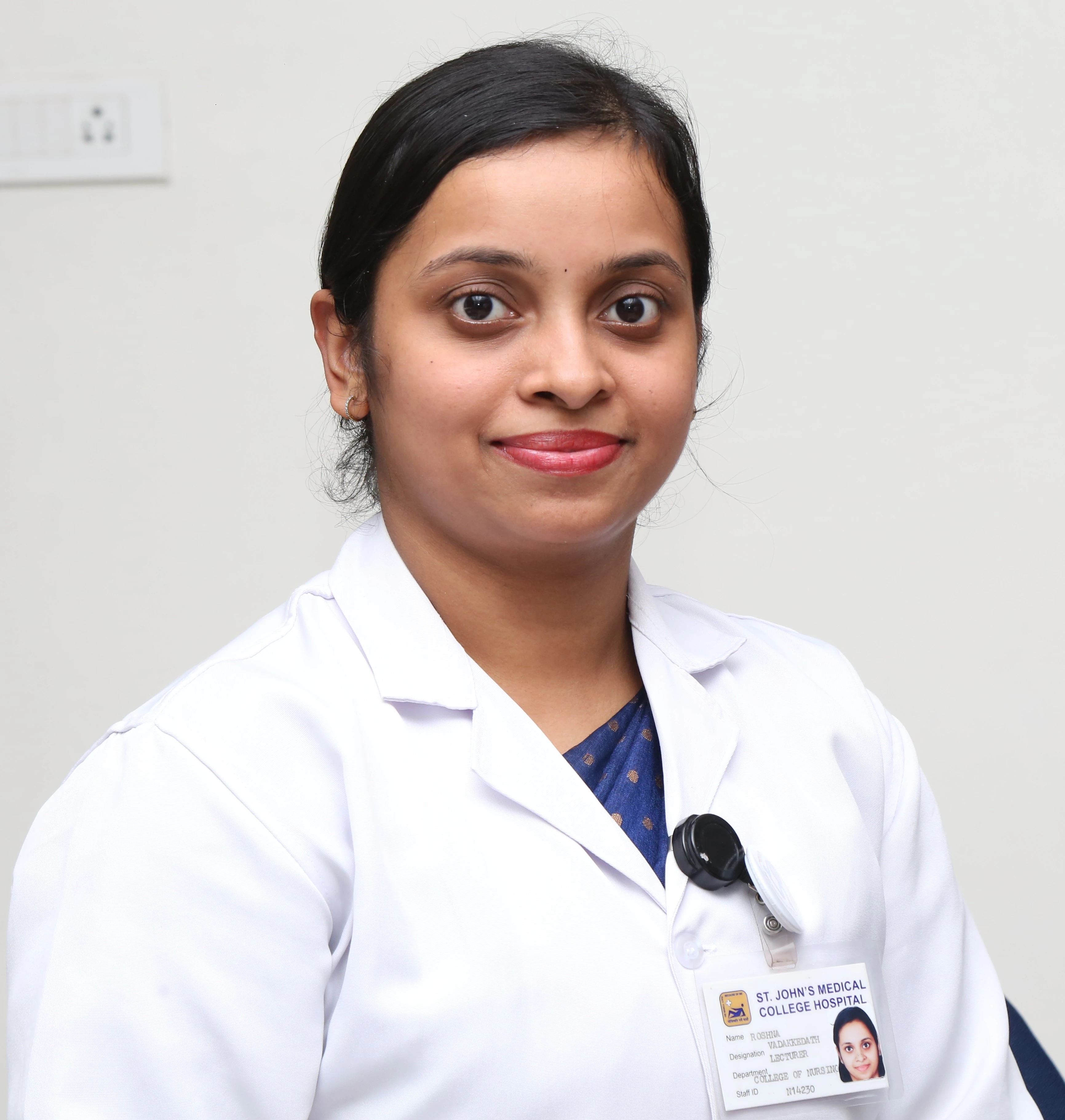
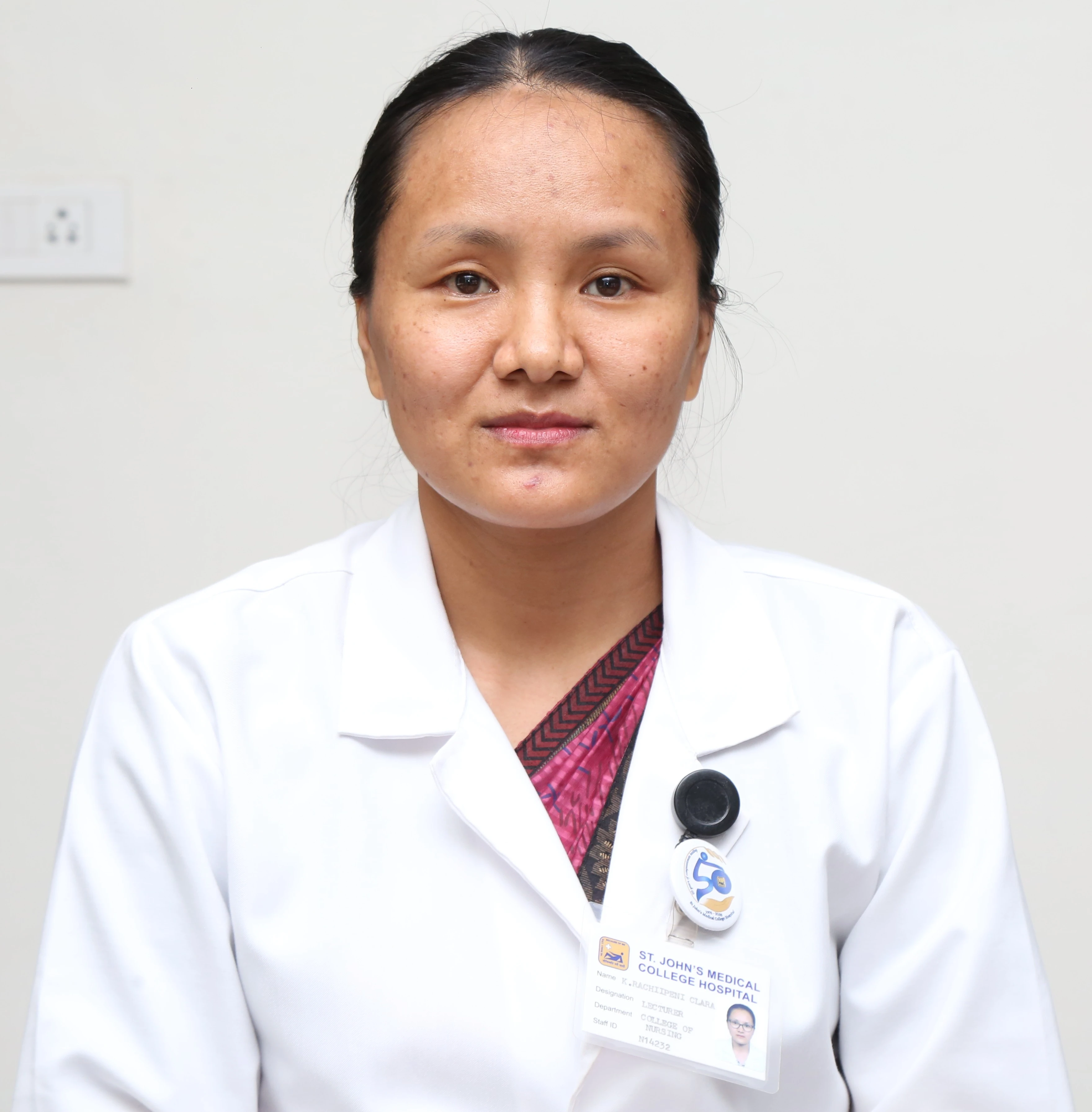
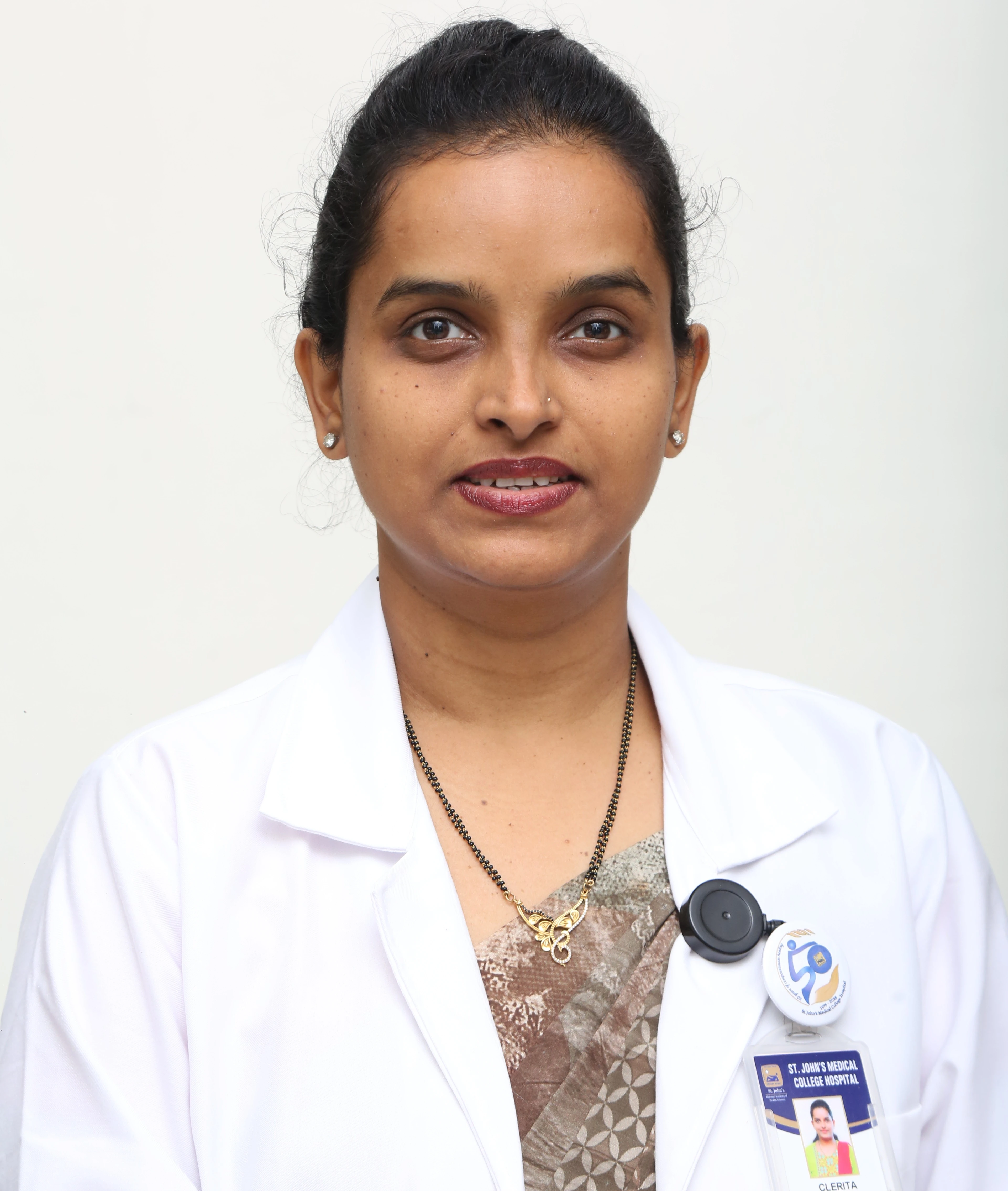
Core Staff

Facilities
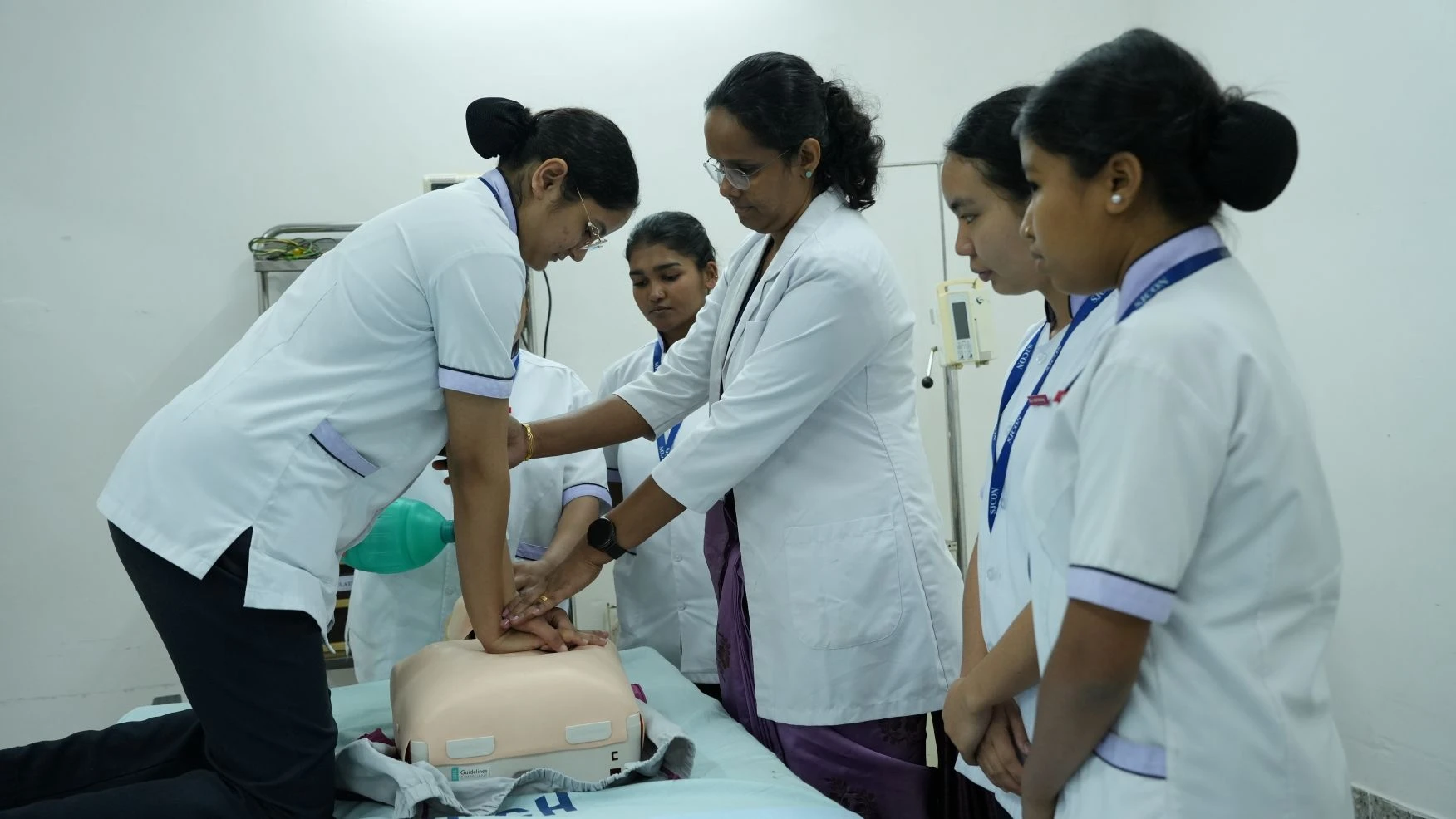
ADULT HEALTH NURSING SKILL LAB
Skill LaboratoryThe department has a well-equipped Medical-Surgical Nursing Skill Laboratory designed to bridge the gap between theory and clinical practice. The lab provides a safe and…
View MoreResearch Cell
No content available.
No faculty projects found.
No student projects available.
Publications
No Data available for Journal articles.
No Data available for Book chapters.
No Data available for Books.
No Data available for Journal articles.
News
No Data available for News.
Events
No Data available for Events.
Announcements
No Data available for Announcements.
Schedule
Academic and Clinical Activities
Simulation-Based Learning: Structured simulation scenarios and skill-based training sessions conducted in the skill lab to enhance clinical readiness and patient safety for NPCC students
Demonstration: Procedure demonstration and training in the skill lab prior to the clinical posting
Workshops and Continuing Education Programs: Organisation of national and international workshops on emerging trends such as palliative care, nursing theories, critical care practices, and patient safety.
Clinical Conferences: Case-based discussions that strengthen assessment skills, clinical reasoning, and nursing care planning through real-life patient scenarios.
Journal Club: Regular journal club meetings to enhance research aptitude, critical appraisal skills, and evidence-based practice among faculty and students.
Faculty Development Programs: Periodic FDPs aimed at updating teaching methodologies, clinical expertise, and professional competencies of faculty members.
Research and Scholarly Activities: Active encouragement and mentorship for faculty and students to participate in research projects, publications, and academic presentations.
Student Support and Mentorship: Academic mentoring and remedial teaching for slow learners to ensure inclusive learning and optimal performance.
Gallery
No Data available for Gallery.