
 Accessibility

Community Health Nursing Department
Overview
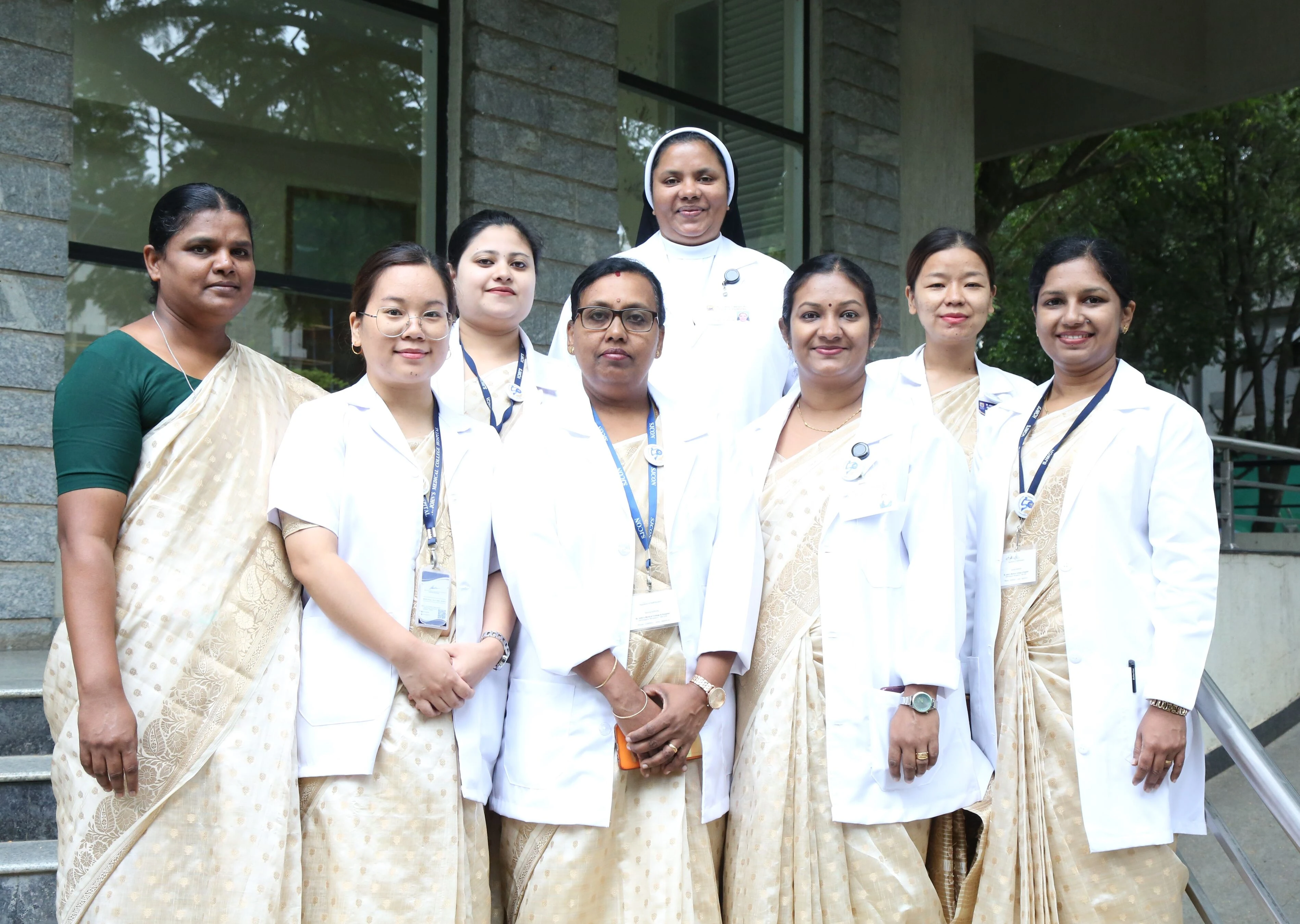
The Department of Community Health Nursing at St. John’s College of Nursing, Bengaluru, plays a significant role in shaping nursing professionals equipped to address diverse community health challenges. This department aims in training students to work in partnership with their local communities, work to prevent illness and promote health by identifying barriers to healthy lifestyles and general wellness. The students are shaped to be the interpretative bridge between the acute sector and community services. They embrace a social model of health to advocate and give a voice to the community accessing care.
OBJECTIVES OF THE DEPARTMENT
1. Assessment & Planning
Identify community health needs among individuals, families, and groups in rural and urban settings through systematic surveys, health assessments, and community diagnostics.
Prioritize health issues and develop actionable community health programs (e.g., immunization, school health, morbidity clinics) in collaboration with PHCs, MOH, and local stakeholders.
2. Health Promotion & Education
Empower students to deliver targeted health education, both individually and in groups, addressing hygiene, nutrition, disease prevention, and lifestyle management.
Implement school-based interventions including assessments, engaging health sessions, and interactive activities to promote child health, nutrition, and well-being.
3. Preventive & Curative Services
Engage in immunization drives, morbidity clinics, and Anganwadi nutrition programs to deliver preventive and curative care in underserved urban and rural areas.
Support in PHC-led in-service training and outreach clinics, reinforcing both community-level prevention and early disease intervention.
4. Interprofessional Collaboration & Community Partnerships
Foster collaboration with government bodies (MOH, PHC), local health workers (ANMs, ASHAs), and community groups to design and implement health programs, rallies, and awareness interventions.
5. Cultural Competence & Equity
Promote equitable, culturally-sensitive care, addressing determinants like poverty, literacy, and housing, to improve access and outcomes—especially for marginalized and vulnerable populations.
6. Skill Development & Professional Growth
Develop student competence in community-based nursing using the nursing process (assessment, planning, intervention, evaluation), epidemiology, documentation, and community health education.
Encourage faculty and students to engage in research, publications, workshops, and development programs, fostering continuous learning and evidence-based practice.
8. Programme Evaluation & Quality Improvement
Evaluate all community activities—health camps, school programs, morbidity clinics—and adapt them based on feedback, impact measures, and documented outcomes to maximize effectiveness.
DETAILS OF THE COURSES
The batches which is trained for this subject include
- 1 ST GNM
- 3RD GNM
- 2ND PCBSC
- 4TH YEAR BSC
- 5TH SEM BSC
- 7th SEM BSC
- MSC NURSING I YEAR
- MSc NURSING II YEAR.
Our Team
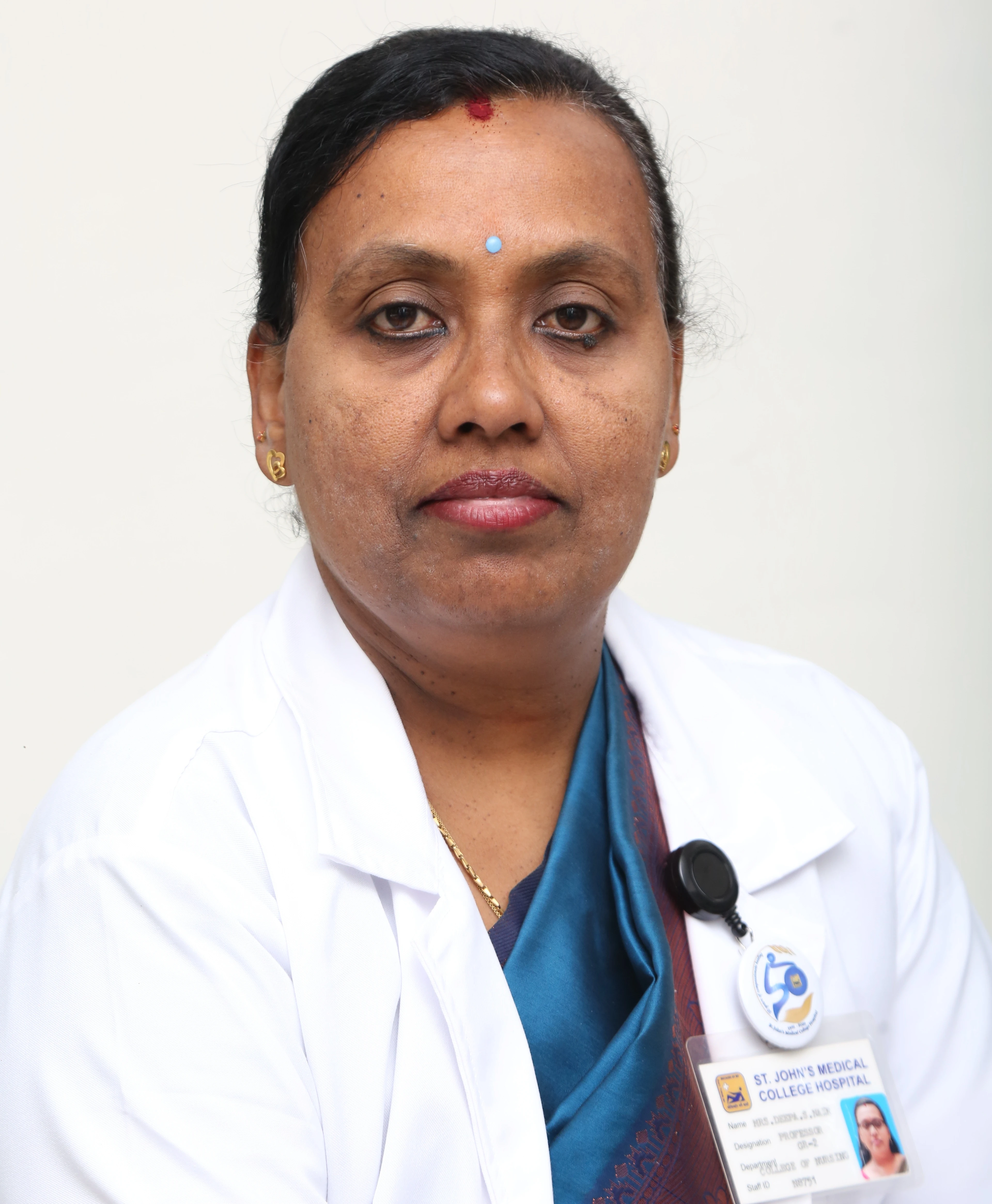
Unit Head
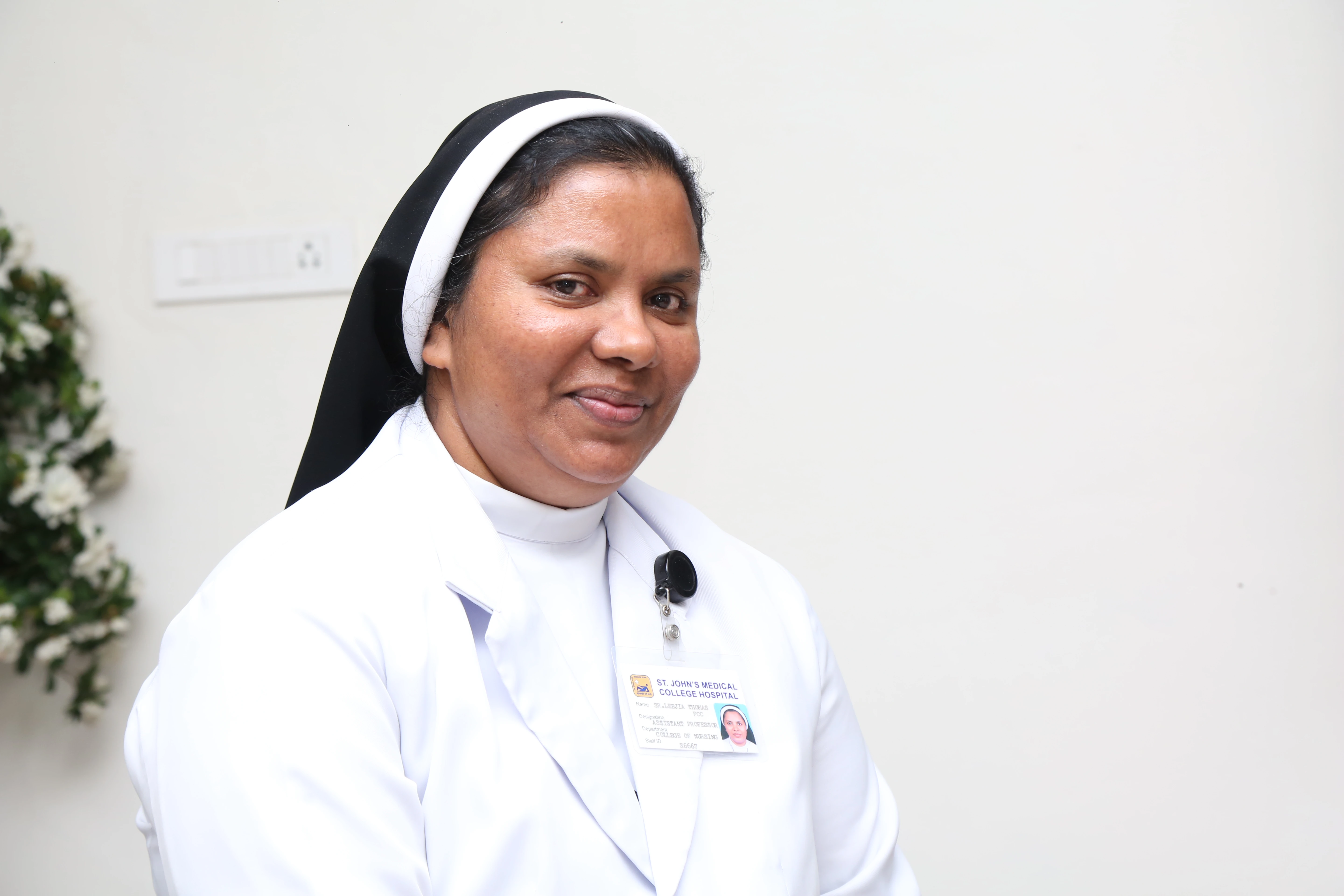
Core Staff
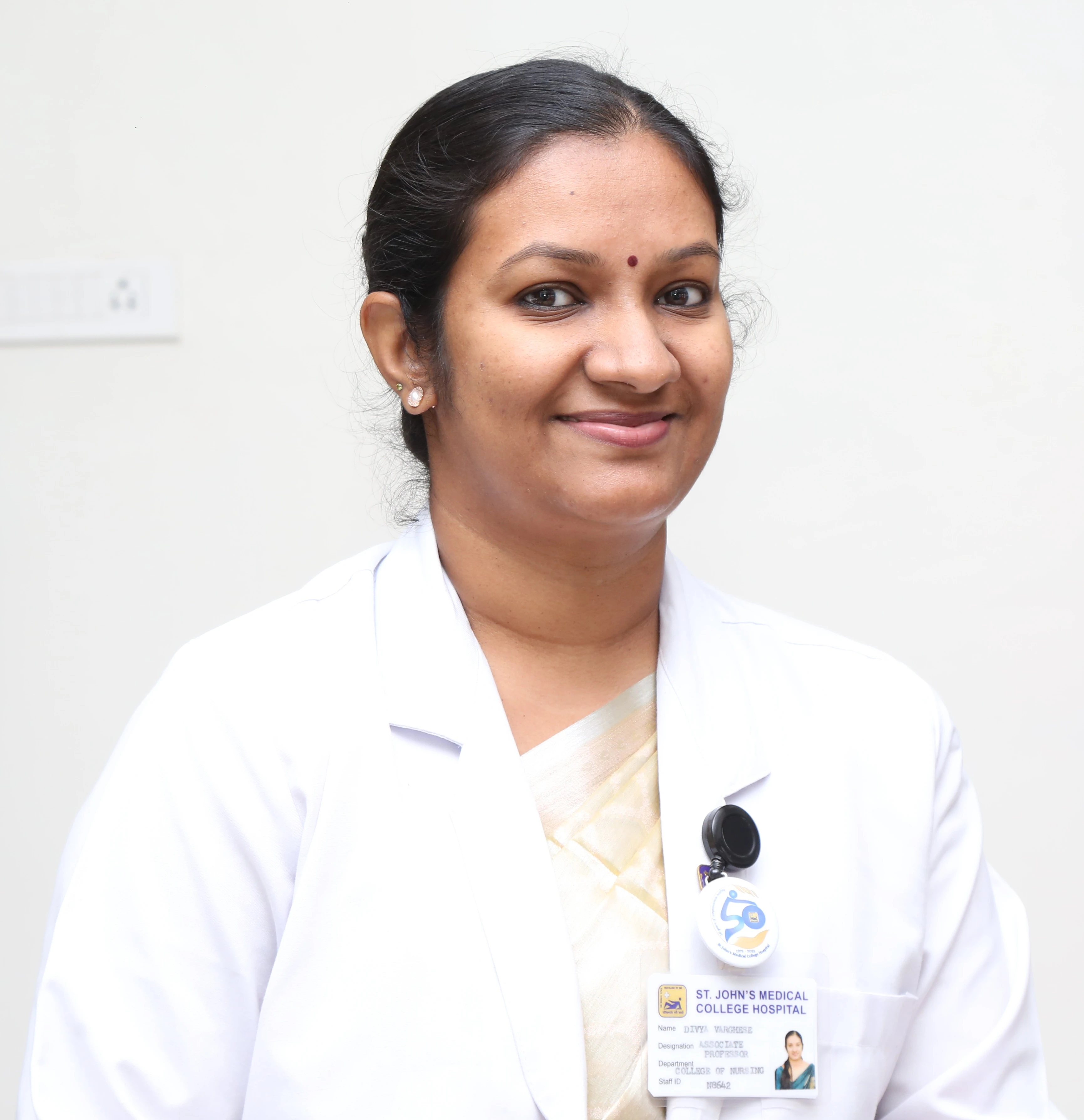
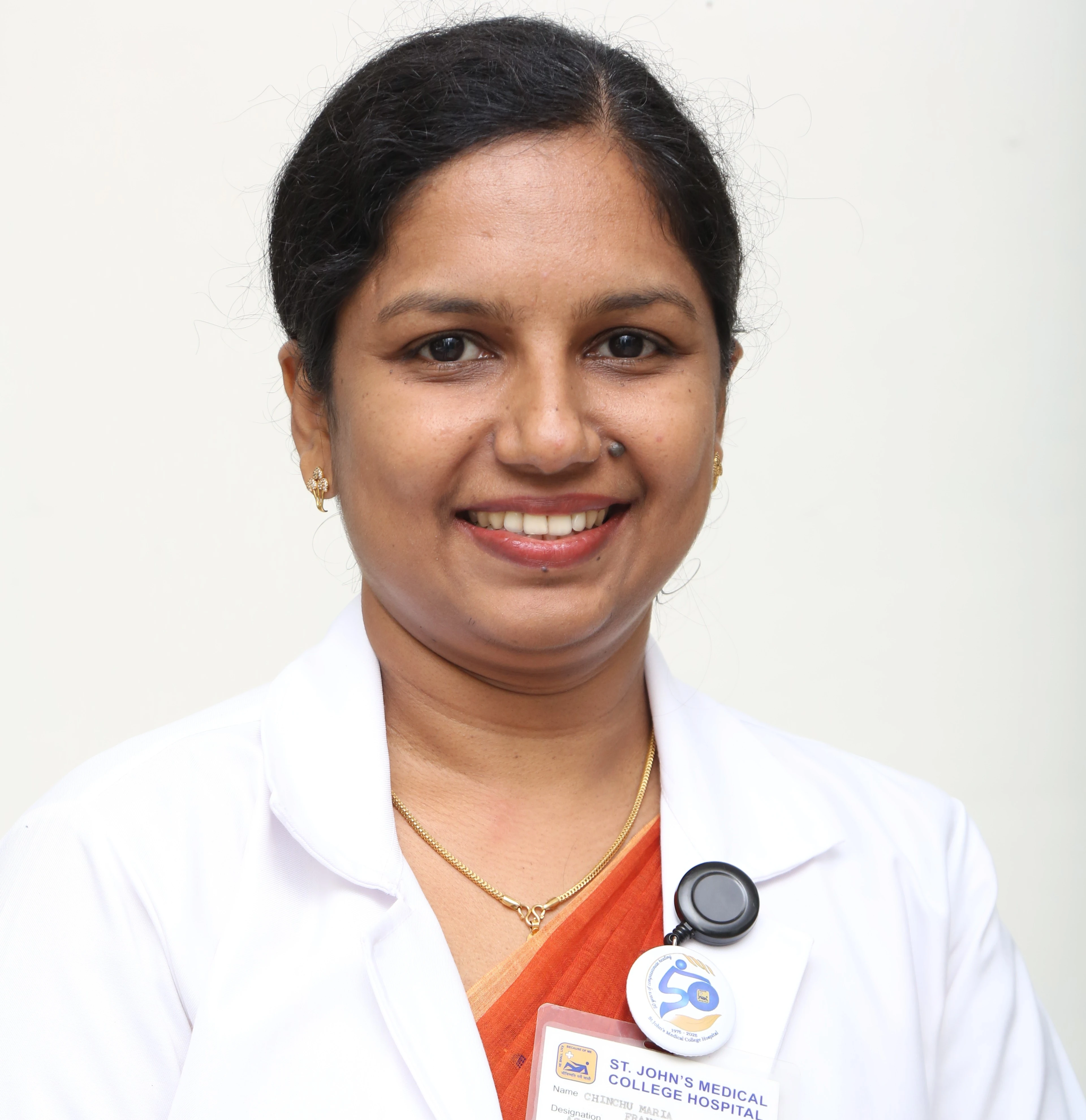
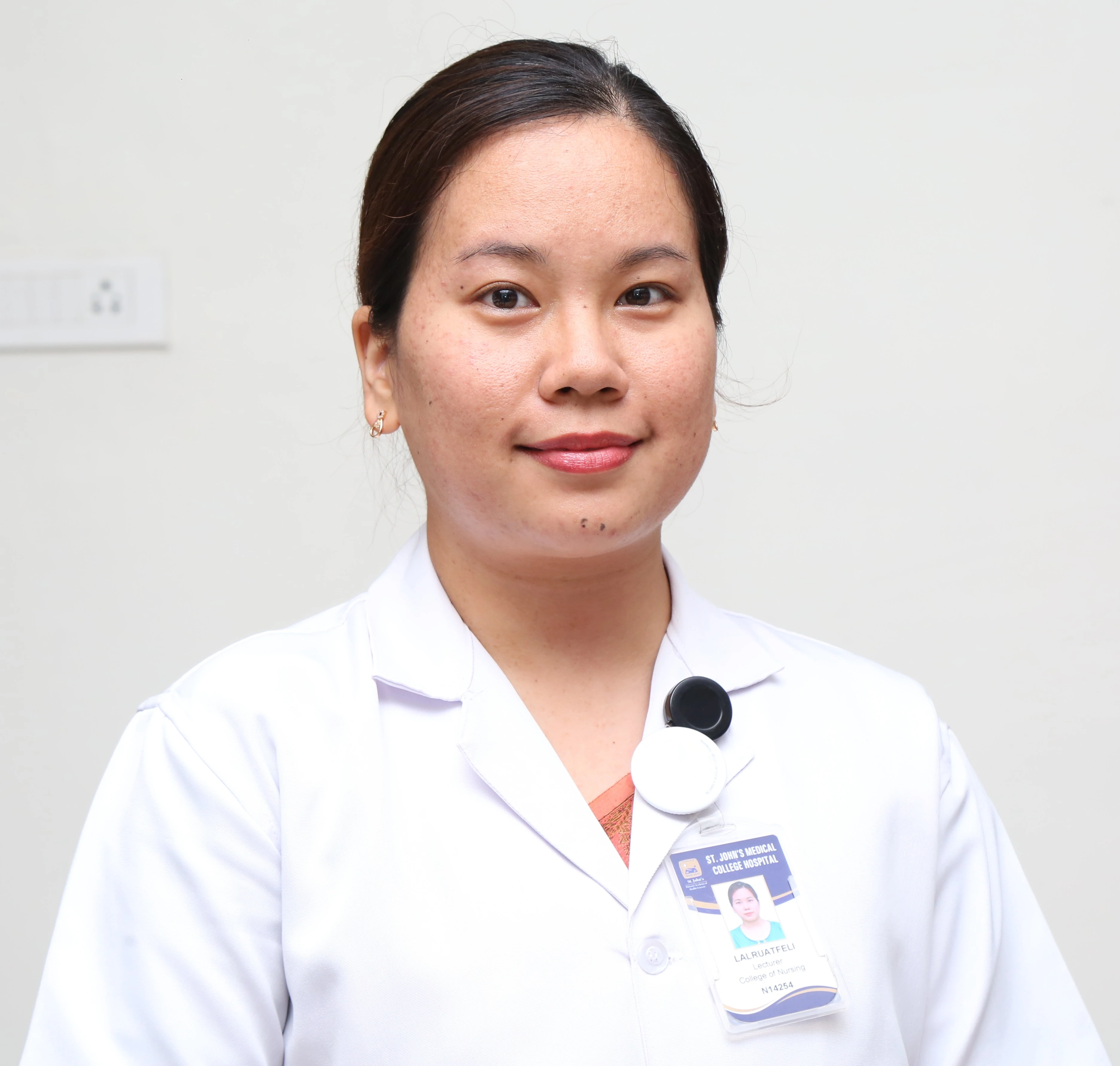
Mrs. Divya Varghese
Associate Professor
Passionate about shaping the next generation of Nurses and contributing to the advancement of Nursing Education and Research.
Facilities
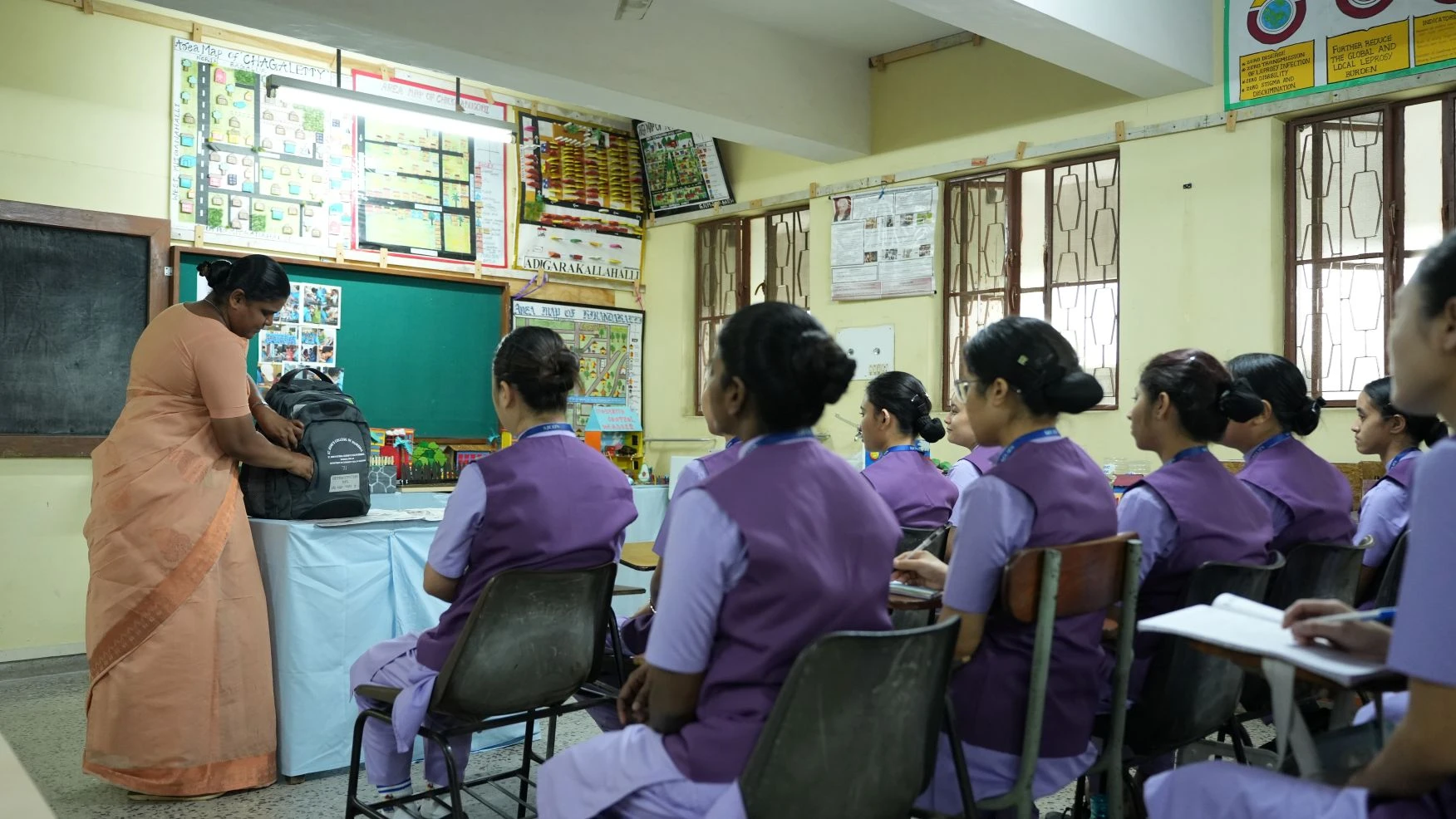
COMMUNITY HEALTH NURSING SKILL LAB
Community Health Nursing Lab offers practical exposure to essential public health nursing skills, including home visits, bag technique, health assessment, health education and preventive care and…
View MoreResearch Cell
No content available.
No faculty projects found.
No student projects available.
Publications
No Data available for Journal articles.
No Data available for Book chapters.
No Data available for Books.
No Data available for Journal articles.
News
No Data available for News.
Events
No Data available for Events.
Announcements
No Data available for Announcements.
Schedule
The department is deeply involved in various community health programs, including:
Survey: Involves in conducting survey in urban and rural areas.
Design interventions: Health education, immunization drives, nutrition counselling in urban and rural areas.
Mobilize resources: Coordinate with ASHAs, Anganwadi workers, MOH/PHC staff.
Follow-up: Implement, then monitor and evaluate impact using baseline data.
Visit: The department plans for various visits to organisations like Family planning organisation of India, Red cross society, National TB institute, Leprasorium, Crematorium, rain water harvesting centres , National dairy research institute, market, sewage treatment plant etc.
School Health Programs: Conducting need assessment and based on that health education sessions, health check-up and entertainment programs like conducting games will be done.
Morbidity Clinics: A clinic is organised in collaboration with the medical college in the villages under survey by each senior batches like year 2nd post certificate nursing students 4th year BSc Nursing Students and 3rd year GNM nursing students. It includes health checkup and health education for the villagers.
Health Education: Organizes individual and group health education in the community on topics such as hygiene, disease prevention, healthy lifestyle practices according to the need of the family and community.
Anganwadi Program: Conducts Anganwadi program with malnutrition assessment, health education and nutrition demonstration on high protein diet for the children of urban and rural Anganwadi wherever the students are posted.
In-service education: An in-service education will be organised by the 4th years and 2nd year PCBSC nursing for workers in the PHC based on the need and also in consultation with the medical officer of the PHC.
Community Health program: Community health program will be conducted in the village on the last day of the postings of the students. A program based on a topic on prevention and treatment of a particular disease will be conducted for the village.
Gallery
No Data available for Gallery.